Yelling at our kids is often something we regret immediately. It’s a common reaction, especially in moments of fear or stress. For instance, if your child is about to do something dangerous, like hanging loosely on a dangerous edge, yelling to warn them is an understandable human reaction. It’s a way to quickly grab their attention and keep them safe.
However, the problem arises when yelling becomes the main form of communication. When parents resort to yelling frequently, it can have serious and lasting impacts on a child’s emotional and psychological well-being. This blog post explores the effects of constant yelling on children and suggests healthier communication and discipline strategies.
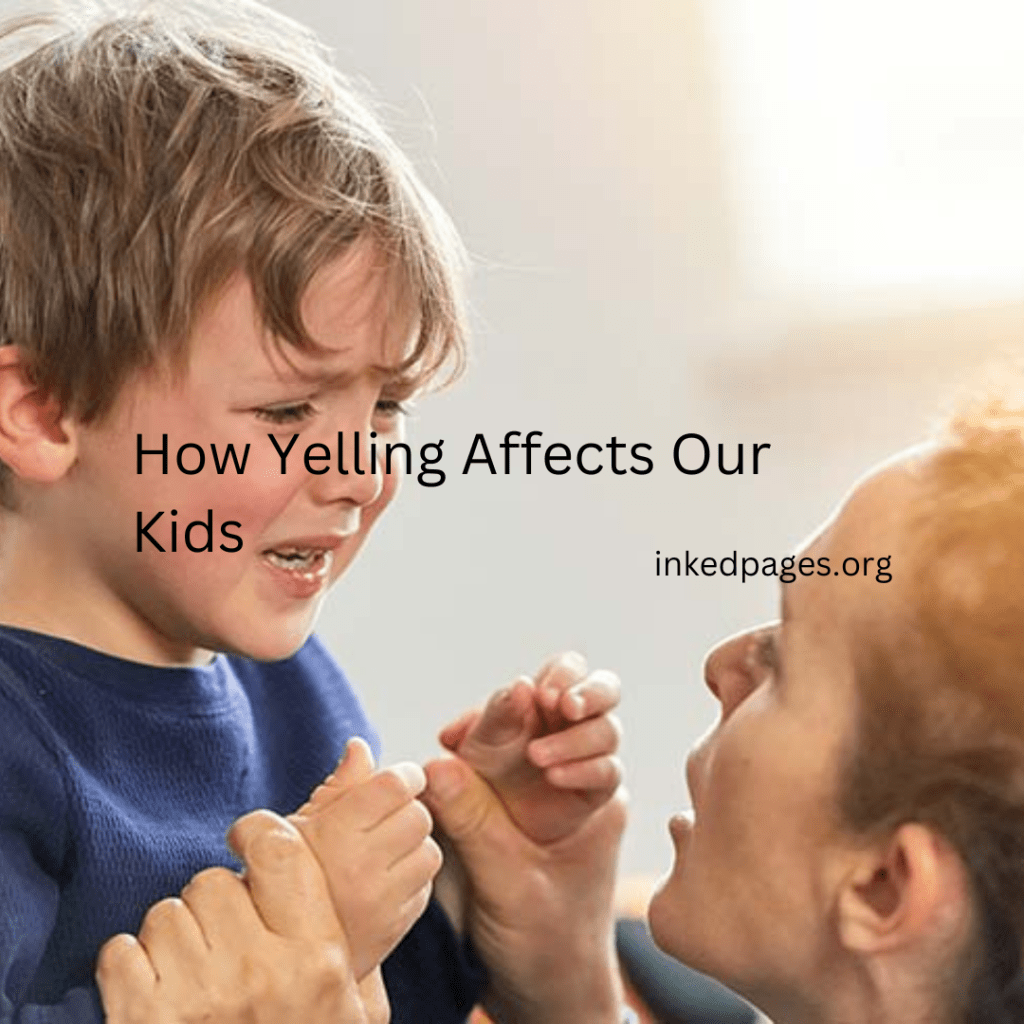
The Emotional Toll
Yelling regularly can take a significant emotional toll on children. They might start to feel:
- Fear and Anxiety: Constant yelling can make children feel scared and anxious, leading to a sense of insecurity in their own homes.
- Low Self-Esteem: Kids who are frequently yelled at may develop low self-esteem, feeling that they are not good enough or always in trouble.
- Trust Issues: Frequent yelling can damage the trust between parent and child, making children feel less safe and supported.
- Resentment and Withdrawal: Instead of motivating positive behavior, yelling can cause children to become resentful or emotionally withdrawn.
Impact on Behavior
Yelling often has the opposite effect of what parents intend. Instead of correcting behavior, it can:
- Increase Defiance and Aggression: Children may become more defiant and aggressive, mimicking the yelling behavior they see.
- Cause Emotional Dysregulation: Kids might struggle to manage their own emotions, having learned to respond to stress with anger or fear.
- Hinder Problem-Solving Skills: Instead of learning how to calmly address issues, children may react impulsively or with heightened emotions.
Long-Term Consequences
The effects of frequent yelling can extend into adulthood, affecting various aspects of life:
- Mental Health Issues: There’s a higher risk of developing depression, anxiety, and anger management problems.
- Relationship Struggles: Adults who were yelled at as children may find it difficult to form and maintain healthy relationships.
- Coping Challenges: They might struggle with effective stress management and problem-solving.
- Cycle of Verbal Aggression: Without intervention, children may grow up to use yelling as a primary means of communication with their own children, perpetuating a harmful cycle.
Alternatives to Yelling
Fortunately, there are more effective and nurturing ways to communicate and discipline:
Positive Discipline:
- Use encouragement and praise for good behavior.
- Set clear, consistent expectations.
- Employ empathy and active listening to understand your child’s perspective.
Mindfulness and Self-Awareness:
- Practice staying calm and aware of your emotions.
- Take deep breaths or a short break before responding to stressful situations.
Effective Communication:
- Speak clearly and respectfully.
- Focus on explaining why certain behaviors are unacceptable rather than just shouting.
Seeking Support:
- Utilize parenting resources and workshops.
- Consider therapy or counseling if you feel overwhelmed.
Breaking the Cycle
While yelling may seem like an immediate solution, its negative impacts can be long-lasting. By understanding these effects and adopting alternative strategies, parents can create a nurturing environment where children feel safe, valued, and respected. This not only supports healthy emotional development but also strengthens family relationships. Together, we can break the cycle of yelling and foster a more positive and peaceful home.



 Money Smart Parenting
Leave a comment