Parenting is filled with various challenges, each unique and complex. One such challenge that often goes unnoticed is the Glasschild Effect. This phenomenon typically occurs in families with a child who has special needs, significantly impacting the dynamics within the household, particularly concerning the siblings of the special needs child. This blog post explores what the Glasschild Effect is, its implications, and ways to address it.
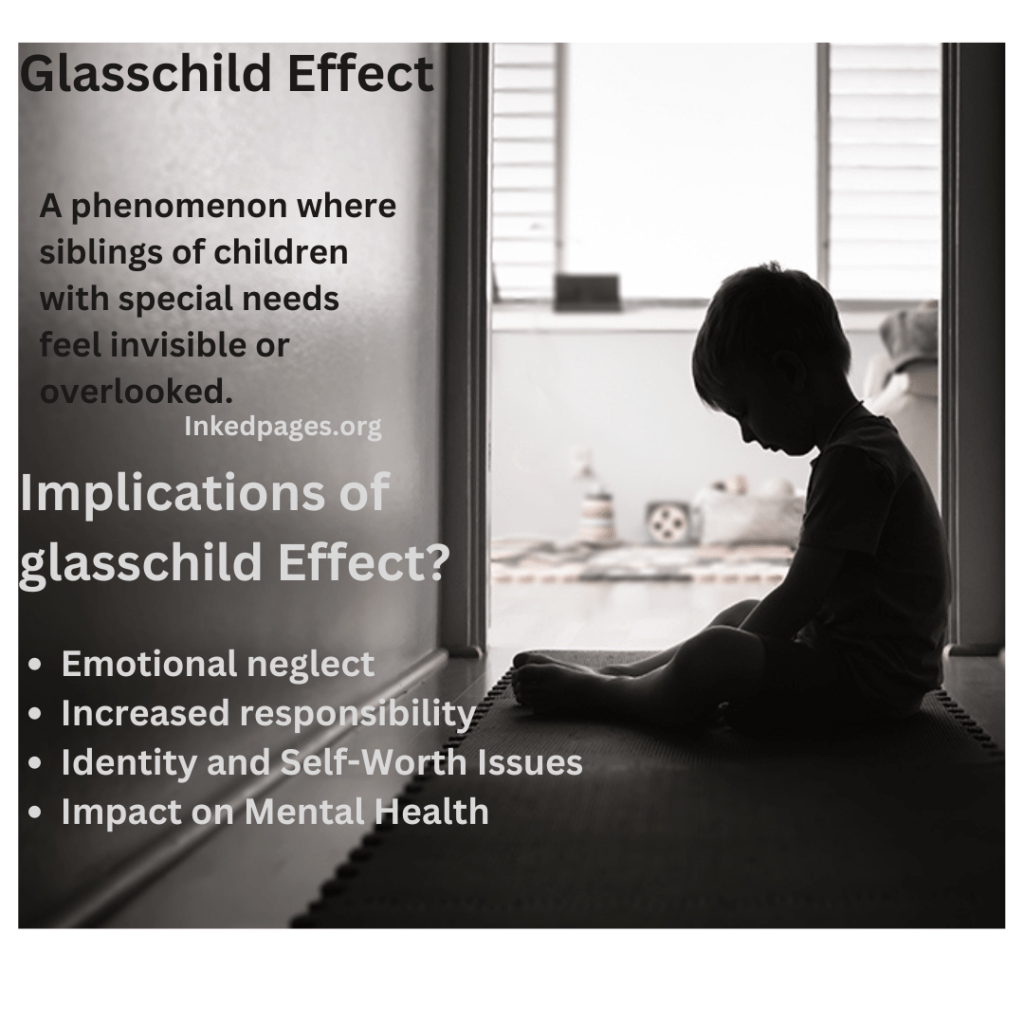
Implications of the Glasschild Effect
Emotional Neglect: Siblings may feel neglected emotionally, leading to feelings of loneliness and resentment. They might perceive that their achievements and struggles are not as important as those of their sibling with special needs.
Increased Responsibility: These children often take on additional responsibilities within the family. They might feel obligated to be more self-sufficient or to help care for their sibling, which can lead to stress and burnout.
Identity and Self-Worth Issues: Constantly being in the background can affect a child’s self-esteem and identity. They might struggle with a sense of self-worth, feeling that their needs and desires are secondary to their sibling’s.
Impact on Mental Health: The cumulative effects of emotional neglect and increased responsibility can contribute to anxiety, depression, and other mental health issues.
Addressing the Glasschild Effect
Open Communication: Encourage open and honest communication within the family. Create a safe space where every child feels heard and valued. Regular family meetings can be a great way to ensure everyone gets a chance to express their feelings.
Individual Attention: Make a conscious effort to spend one-on-one time with each child. This dedicated time can help them feel special and acknowledged. Activities can be as simple as reading a book together, going for a walk, or having a meal.
Recognize Achievements: Celebrate the achievements of all children in the family, no matter how small. Acknowledging their efforts and accomplishments can boost their self-esteem and reinforce their value.
Seek Professional Support: Sometimes, professional help might be needed. Family therapy can provide a platform for discussing complex feelings and finding solutions together. Therapists can offer strategies to improve family dynamics and ensure that all children’s needs are met.
Balance Responsibilities: Ensure that responsibilities are fairly distributed within the family. While it’s important for children to learn responsibility, it should not come at the cost of their well-being. Make sure that they have time for their interests and social activities.
The Glasschild Effect is a subtle but significant issue that can affect the overall well-being of siblings of children with special needs. By acknowledging this effect and taking proactive steps to address it, families can foster a more inclusive and supportive environment for all their children. Every child deserves to feel seen, heard, and valued. Through open communication, individual attention, and professional support, families can mitigate the negative impacts of the Glasschild Effect and promote a healthier dynamic for everyone involved.



 Money Smart Parenting
Leave a comment