As parents, we all want our kids to be kind, thoughtful, and well-liked. But sometimes, this desire can backfire, and we inadvertently teach our children to prioritize others’ happiness at the cost of their own. This tendency to be a “people-pleaser” can follow them well into adulthood, leading to a range of challenges—from an inability to say “no” to constant self-doubt and burnout. Let’s explore how kids can grow up to be people-pleasers and why it’s essential to nurture a healthy balance between kindness and self-respect.
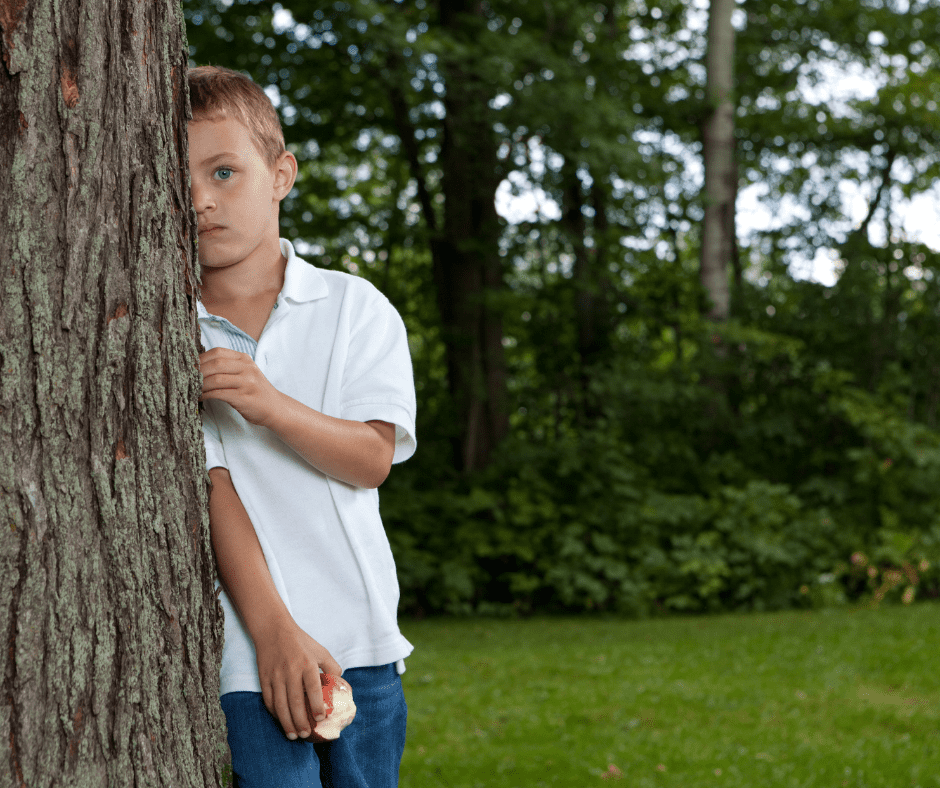
How Do Kids Become People-Pleasers?
The drive to please others is natural in children. They want to make us proud, they want to fit in with their friends, and they crave validation. But people-pleasing becomes problematic when children feel their worth depends solely on making others happy. Here’s how it often happens:
Rewarding Only “Good Behavior” Too Strongly
When kids are only praised for being agreeable, compliant, and easygoing, they can start to equate being “good” with suppressing their own feelings and needs. If the focus is always on avoiding conflict, children can become hyper-attuned to making others happy, even if it means ignoring their own needs.
Discouraging Emotional Expression
Sometimes, adults can unintentionally discourage kids from expressing negative emotions by saying things like, “Don’t cry,” or “You’re overreacting.” This teaches them to bottle up their feelings and avoid conflict to maintain harmony. Over time, they may feel that expressing their true thoughts and emotions is wrong or bothersome to others.
Imitating People-Pleasing Role Models
Children learn by watching the adults around them. If they observe a parent who always prioritizes others’ needs, avoids confrontation, or struggles to set boundaries, they might adopt similar behaviors. Kids often mirror what they see, so demonstrating a healthy balance between kindness and self-respect can go a long way.
Praising Self-Sacrifice Over Self-Advocacy
If children hear too much praise for “putting others first” but little encouragement for standing up for themselves, they may start to think their value lies in how much they give. While kindness and generosity are wonderful traits, they shouldn’t come at the expense of a child’s own well-being or self-worth.
The Dangers of Raising People-Pleasers
People-pleasing might sound harmless or even like a “good problem” to have, but it can lead to a host of issues that impact a child’s mental health, self-esteem, and relationships as they grow. Here are some of the dangers of raising a people-pleaser:
Difficulty Setting Boundaries
People-pleasers struggle to say “no.” This lack of boundaries can lead them to take on too much, even when it negatively impacts their well-being. Over time, this behavior can lead to stress, burnout, and resentment, as they constantly prioritize others over themselves.
Loss of Self-Identity
Constantly seeking approval from others can cause a child to lose sight of who they truly are. They may adapt their behavior to fit in with different people, making it hard for them to know what they genuinely want or need. This struggle with self-identity can follow them into adulthood, where they may feel unsure of their preferences and values.
Increased Vulnerability to Manipulation
People-pleasers are often more vulnerable to those who take advantage of their kindness. A child who grows up needing to please others may be more likely to fall victim to peer pressure, unhealthy relationships, and even workplace exploitation. They can be too willing to say “yes” or “go along” with things that aren’t in their best interest.
Resentment and Anxiety
Constantly putting others first can lead to feelings of resentment, even if they don’t show it. They may begin to feel trapped in their need to please, leading to anxiety, low self-esteem, and even depression. The internal conflict between wanting to please others and ignoring their needs often creates a painful cycle of self-neglect.
How to Encourage Healthy Balance
Encouraging kindness and empathy in children is essential, but so is teaching them that their own needs matter. Here’s how we can support our children in finding that balance:
Encourage Emotional Honesty
Let your kids know that all their emotions are valid and deserve to be expressed. By allowing them to share their feelings without judgment, they’ll learn that their voice matters and that it’s okay to prioritize their needs.
Teach Boundary-Setting
Help your child understand that “no” is a complete sentence. Practice role-playing situations where they might need to say no, so they become comfortable with setting boundaries. This skill will empower them in friendships, school, and, eventually, the workplace.
Praise Assertiveness as Much as Kindness
When your child speaks up for themselves, praise it! Acknowledge moments when they stand up for their needs or express a preference. This reinforcement helps them feel proud of who they are, independent of their ability to please others.
Model Self-Respect
Children absorb our actions as much as our words. Show them what it looks like to prioritize self-respect by setting your boundaries and being honest about your own needs. When they see you balancing kindness with self-care, they’re more likely to adopt the same approach.
Encourage Decision-Making
Let your child make age-appropriate decisions, even if it means going against what you would prefer. Whether it’s choosing what to wear or deciding how to spend their free time, giving them the power to make choices builds self-confidence and self-awareness.
Final Thoughts
Helping our kids grow into kind, empathetic adults is a worthy goal, but it’s equally important to ensure they know their needs matter, too. By striking a balance between kindness and self-respect, we can help them build a healthy sense of self-worth and independence. Raising kids who value themselves means they’ll grow into adults who can form healthy relationships, set boundaries, and navigate life’s challenges with confidence—without feeling they have to please everyone they meet. After all, self-respect is one of the most valuable lessons we can give our children, and it starts with giving them the confidence to be true to themselves.




 Money Smart Parenting
Leave a reply to Anonymous Cancel reply